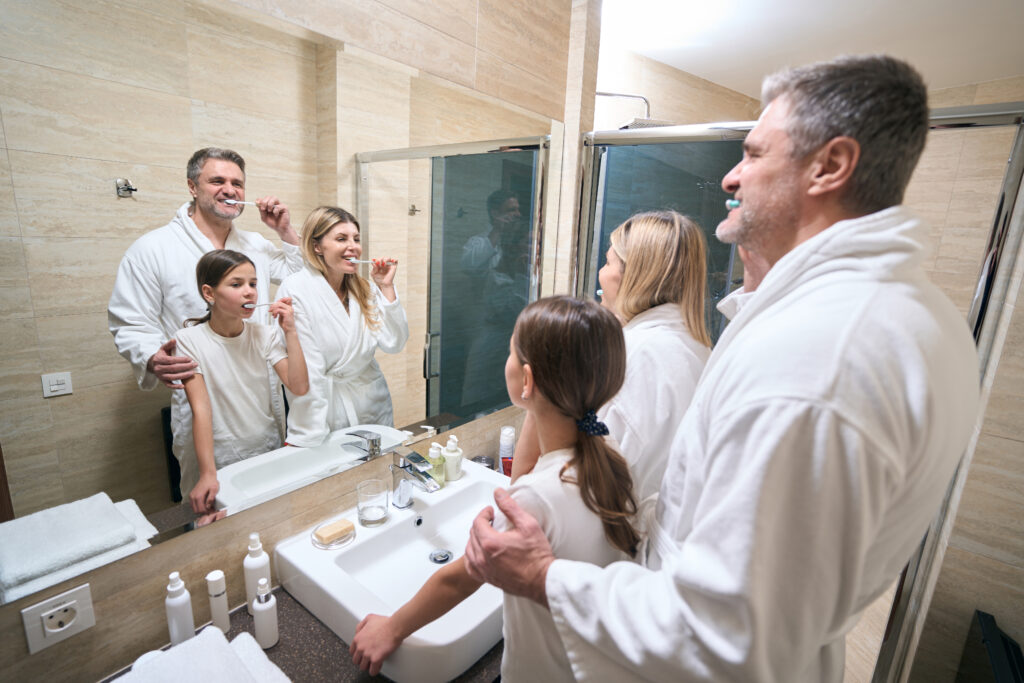
Your bathroom is more than just a functional room—it’s a personal sanctuary where comfort, style, and convenience come together. A well-designed bathroom can transform your daily routine, enhance your home’s value, and provide a space where you can truly relax. Whether you’re planning a full remodel or just updating a few elements, following expert tips can make the process smoother, cost-effective, and highly rewarding.
In this guide, I’ll share professional bathroom remodeling tips that combine actionable advice with design expertise, helping you create a bathroom that is both beautiful and practical.
Plan Your Bathroom Remodel Carefully
Every successful home remodeling project starts with a solid plan. Planning ensures that your project runs smoothly and stays within budget. Begin by evaluating your current bathroom and identifying areas that need improvement. Ask yourself what you want to achieve—whether it’s modern aesthetics, improved functionality, or increasing your home’s value.
Key planning points include:
- Set your goals: Decide the main purpose of the remodel.
- Assess your space: Identify outdated fixtures, worn-out flooring, and storage needs.
- Establish a budget: Include costs for materials, labor, permits, and an extra contingency fund.
- Visualize your ideas: Sketch layouts or use online design tools to picture your new bathroom.
- Create a timeline: Consider material delivery and contractor schedules to prevent delays.
A well-thought-out plan reduces stress and ensures your bathroom remodel meets your expectations.
Optimize Layout and Maximize Space
A smart layout is essential for both functionality and comfort. Even small bathrooms can feel spacious and luxurious when designed efficiently. Consider the placement of fixtures carefully and think about how you move within the space.
Tips to optimize your layout:
- Use floating vanities and wall-mounted cabinets to save floor space.
- Incorporate built-in shelves or niches for toiletries.
- Ensure doors, drawers, and showers have sufficient clearance.
- Consider removing non-load-bearing walls to create an open feel.
Optimizing your bathroom layout improves usability, increases storage options, and enhances the overall visual appeal.
Choose Durable and Stylish Materials
Bathrooms are exposed to constant moisture, so choosing durable and water-resistant materials is crucial. Quality materials not only look great but also stand the test of time.
Recommended materials include:
- Flooring: Porcelain tiles, natural stone, or waterproof vinyl for long-lasting performance.
- Countertops: Quartz, granite, or solid surfaces resist stains and moisture.
- Walls: Moisture-resistant paint, ceramic tiles, or waterproof panels prevent mold and damage.
- Cabinetry: Solid wood with protective finishes or moisture-resistant laminates.
Investing in high-quality materials ensures your remodel stays functional and beautiful for years to come.
Upgrade Fixtures and Hardware
Upgrading your fixtures is one of the simplest ways to transform your bathroom’s look and functionality. Modern, water-efficient fixtures not only enhance style but also improve your daily experience.
Fixture upgrade ideas:
- Replace old faucets, showerheads, and handles with contemporary, water-saving designs.
- Install luxurious features such as a rainfall shower or freestanding bathtub.
- Coordinate finishes like brushed nickel, chrome, or matte black for a cohesive look.
- Consider smart features such as touchless faucets or programmable showers.
Small updates in hardware can dramatically improve the aesthetics and usability of your bathroom.
Lighting: The Key to Ambience and Function
Lighting is often overlooked, yet it dramatically affects both the look and functionality of your bathroom. The right combination of lights can make your bathroom feel spacious, warm, and inviting.
Lighting tips for a professional look:
- Layered lighting: Use ambient, task, and accent lighting for a balanced effect.
- Vanity lighting: Place lights at eye level to eliminate shadows when grooming.
- Natural light: Maximize windows or skylights for bright, airy spaces.
- Accent lighting: LED strips under cabinets or around mirrors add a modern, luxurious touch.
Well-planned lighting enhances safety, mood, and the overall appearance of your bathroom.
Ensure Proper Ventilation
Moisture is a bathroom’s biggest enemy. Without proper ventilation, mold and mildew can develop, damaging surfaces and creating health risks.
Ventilation tips include:
- Install an exhaust fan sized appropriately for your bathroom.
- Ensure windows can open to allow natural airflow.
- Consider humidity-sensing fans that turn on automatically.
- Clean vents regularly to maintain efficiency.
Proper ventilation preserves your bathroom’s materials and ensures a healthy environment.
Incorporate Smart Storage Solutions
Clutter can make even the most luxurious bathroom feel chaotic. Efficient storage keeps your bathroom organized and enhances usability.
Storage solutions to consider:
- Floating vanities and wall-mounted cabinets save floor space.
- Recessed shelves in showers or above bathtubs offer hidden storage.
- Built-in niches for toiletries and decorative items maximize space.
- Over-the-toilet storage units make use of vertical space efficiently.
With the right storage solutions, your bathroom can remain tidy, functional, and stylish.
Personalize Your Bathroom
Your bathroom should reflect your personality and lifestyle. Adding personal touches makes it inviting and uniquely yours.
Ways to personalize your space:
- Choose colors that evoke calm, energy, or elegance.
- Add stylish mirrors, rugs, or artwork to complement the design.
- Incorporate technology like heated floors, smart mirrors, or motion-sensor lighting.
- Include natural elements such as plants or wooden accents for warmth.
Personalization ensures that your bathroom is not only functional but also a place you love to spend time in.
Prioritize Safety
Safety is essential, especially for families with children or older adults. A safe bathroom prevents accidents and enhances peace of mind.
Safety features to implement:
- Non-slip flooring or bath mats to reduce the risk of falls.
- Grab bars near showers, tubs, and toilets for added support.
- Adequate lighting to prevent trips or missteps.
- GFCI outlets near water sources to prevent electrical hazards.
A bathroom that is both beautiful and safe provides long-term satisfaction for all users.
Hire Professional Remodelers
While DIY projects may seem appealing, bathrooms involve plumbing, electrical work, and waterproofing—areas where professional expertise is essential.
Why hire a professional remodeler:
- Ensures work is up to code and safe.
- Reduces the risk of mistakes and costly repairs.
- Provides high-quality, long-lasting results.
- Manages the remodel efficiently, saving you time and stress.
Hiring a professional guarantees that your bathroom remodel is executed flawlessly, giving you a finished space you’ll love for years.
Final Thoughts
A bathroom remodel is an investment in your home, comfort, and lifestyle. By planning carefully, selecting quality materials, optimizing your layout, upgrading fixtures, and incorporating safety and personal touches, you can create a space that is both functional and beautiful.
Remember, a successful remodel isn’t just about looks—it’s about creating a bathroom that enhances your daily life, offers relaxation, and increases your home’s value. With the right planning, expertise, and professional support, your dream bathroom can become a reality.
FAQ
Q1: How long does a bathroom remodel take?
A: A full remodel typically takes 3–6 weeks, depending on the scope and size of the project. Minor updates may take 1–2 weeks.
Q2: What is the average cost of bathroom remodeling?
A: Costs vary depending on materials, fixtures, and labor, but most bathroom remodels range from $5,000 to $25,000.
Q3: Can I remodel my bathroom myself?
A: While minor updates are DIY-friendly, plumbing, electrical, and waterproofing work should be handled by professionals.
Q4: How do I choose the best materials for my bathroom?
A: Consider durability, moisture resistance, maintenance, and style. High-quality tiles, quartz countertops, and waterproof paints are ideal.
Q5: How can I make a small bathroom feel larger?
A: Use light colors, floating vanities, mirrors, open layouts, and efficient storage to maximize space visually and functionally.